How Much Do Solar Panels Cost in Malaysia? 2026 Price Guide
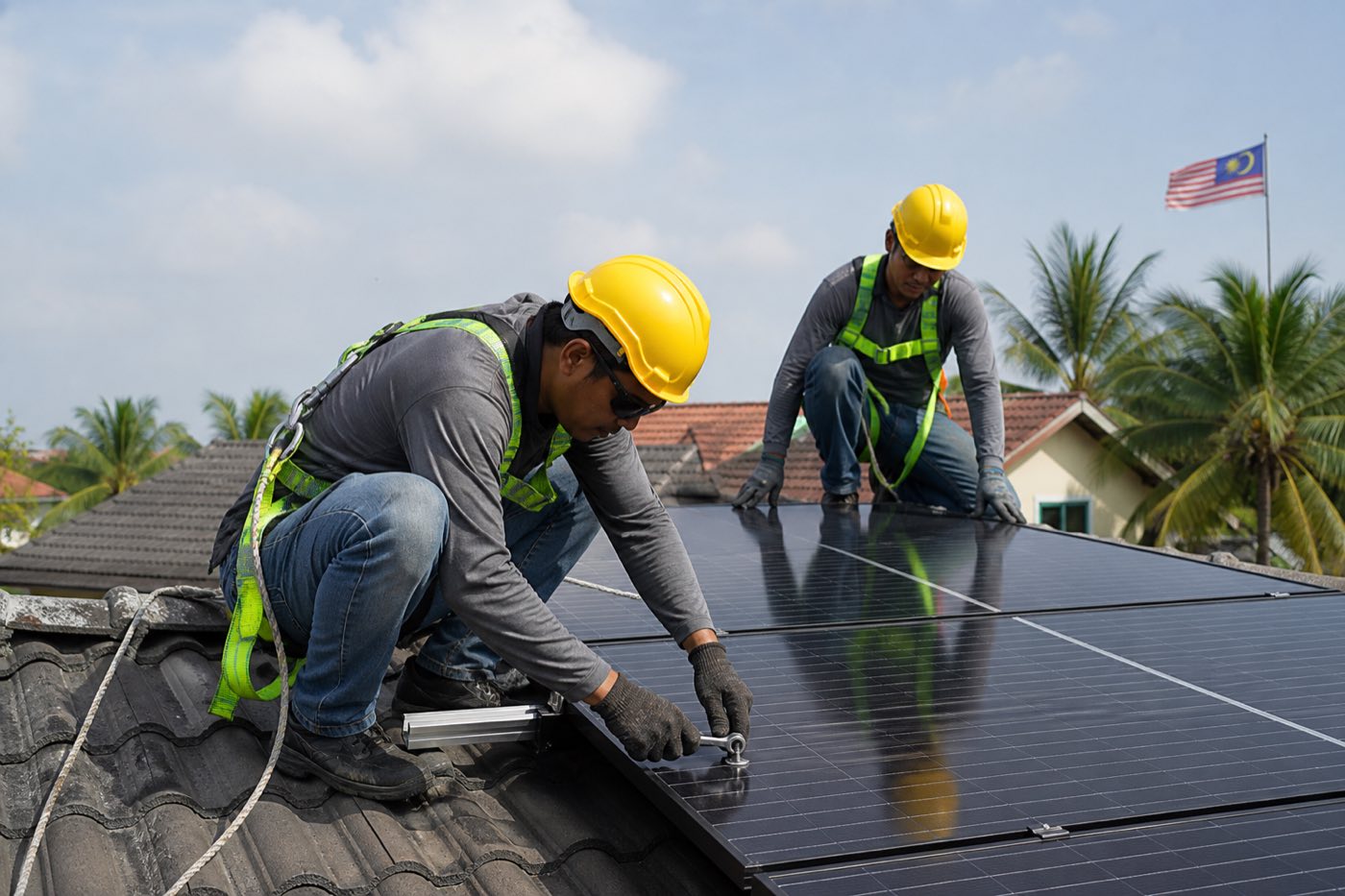
Solar systems became more affordable in Malaysia in 2026. A large global supply of solar panels helped bring equipment prices down. For many property owners, this has made solar a more practical investment.
Solar systems became more affordable in Malaysia in 2026. A large global supply of solar panels helped bring equipment prices down. For many property owners, this has made solar a more practical investment.
You may be a homeowner paying RM300 each month for electricity. You may also run a factory with a much larger TNB bill. Either way, you need to know the full cost before choosing a system.
This guide explains current solar prices, expected savings, payback periods, and the main factors that affect your final quotation.
For an estimate based on your own electricity use, try our free solar savings calculator. You can also visit our pricing page to compare packages by system size.
Solar System Prices by Size in Malaysia (2026)
The prices below cover a complete installation. They include solar panels, an inverter, mounting equipment, electrical cables, labour, inspections, and application charges. There should be no surprise costs when these items are clearly included in your quotation.
| Estimated Monthly Savings | Typical Payback |
|---|---|
| Suitable For | 3 kWp |
| RM9,999–16,800 | RM200–280 |
| 5–6 years | Small terrace house, RM150–250 bill |
| 5 kWp ★ Popular | RM19,500–22,000 |
| RM320–420 | 4–5 years |
| Terrace or semi-D, RM250–450 bill | 8 kWp |
| RM28,000–32,000 | RM500–620 |
| 4–5 years | Semi-D, RM400–600 bill |
| 10 kWp ★ Popular | RM33,000–38,000 |
| RM600–750 | 4–5 years |
| Bungalow, RM500–800 bill | 12 kWp |
| RM40,000–46,000 | RM720–900 |
| 4–5 years | Large bungalow or small business |
| 15 kWp | RM48,000–55,000 |
| RM850–1,050 | 4–5 years |
Large bungalow or shophouse
What Is Included in the Solar System Price?
Suppose you buy a 5 kWp system for RM22,000. Your money covers much more than the panels alone.
This covers Tier 1 panels from brands such as Jinko, LONGi, or Trina. These products commonly include a 25-year product warranty.
This amount pays for a reliable inverter, such as a Huawei SUN2000 or Solis model. It also covers monitoring features and local warranty support.
This includes the installation crew, roof sealing, electrical work, cable routing, safety checks, and final testing.
The mounting system includes aluminium rails, roof brackets, stainless-steel clamps, and other parts needed to hold the panels safely.
This portion covers the Solar ATAP application, SEDA-related registration, inspection work, meter requirements, and other administrative charges.
What Changes the Cost of Solar in Malaysia?
1. Your Roof Design
A simple roof usually costs less to work on. A roof with many slopes, corners, or separate sections needs more time and mounting material. Hip roofs and flat concrete roofs may also require extra planning.
Metal roofs need the correct type of clamp. Depending on the structure, a difficult roof can raise the installation cost by around 10–20%.
- Gable roof on a terrace house: Usually the easiest option, with little or no added cost
- Hip roof on a semi-D or bungalow: Often costs 10–15% more because of the roof shape
- Flat concrete roof: May add 5–10% for ballast frames or waterproof fixing points
- Metal-deck roof: Uses special clamps and may not require drilling
2. The Inverter You Choose
The inverter changes the electricity produced by the panels into power your property can use. It is one of the hardest-working parts of the entire system. Huawei, Sungrow, and Solis are widely used in Malaysia. These brands offer established warranty support and local service options.
A cheap, unfamiliar inverter may reduce the initial price by RM1,500–2,000. However, the savings may disappear if the unit fails early or has poor after-sales support.
3. Panel Brand and Cell Technology
Panel prices vary according to efficiency, technology, warranty coverage, and manufacturer strength. Brands such as Jinko, LONGi, Trina, JA Solar, and Canadian Solar are commonly recognised as BloombergNEF Tier 1 manufacturers. Their panels normally offer long product and performance warranties.
Lower-cost generic panels may reduce the equipment price. However, they may degrade faster or come with a warranty that is difficult to claim.
4. Installation Location
Solar installation generally costs more in Sabah and Sarawak than in Peninsular Malaysia. Freight charges are higher, and some locations have fewer installers. As a result, prices in East Malaysia may be around 15–25% higher.
We currently provide installation services in Peninsular Malaysia.
Extra Solar Costs That Homeowners Often Forget
Costs That May Not Be Part of the Basic Package
Solar Maintenance: RM300–500 per year
Panels may need cleaning once or twice a year. An installer can also inspect the inverter, wiring, mounting points, and system performance. Cleaning needs depend on the property. Dust, leaves, bird droppings, and nearby construction can lower electricity production.
Future Inverter Replacement: RM3,000–6,000
Solar panels may operate for 25 years or longer. Inverters normally have a shorter working life of around 10–15 years. You may need to replace the inverter once during the life of the system. A longer warranty from Huawei or Solis can delay this expense.
Distribution Board Upgrade: RM800–2,500
An older house may need an upgraded main distribution board. This may be necessary if the existing board cannot safely support the solar connection or bidirectional meter. Not every property needs this work. The installer should check the board during the site visit.
Longer Cable Route: RM500–1,500
The inverter cannot always be installed close to the solar panels. A double-storey semi-D or bungalow may need a longer cable route from the roof to the inverter and distribution board. Extra cables, trays, conduits, and labour can increase the cost.
Ask for an itemised quotation before approving the project.
Solar Panel Prices by Brand in Malaysia
Panel brands have different prices because they use different cell designs, materials, warranties, and efficiency levels. The prices below are for the panels only. They do not represent the cost of a full installed system.
★ Jinko is our main residential panel brand.
These figures are supply or warehouse prices. A finished solar system normally adds about RM1,800–2,500 per kWp for the inverter, mounting equipment, cables, labour, applications, and inspections.
Residential Solar Inverter Prices
An inverter turns the DC electricity from your solar panels into AC electricity for your appliances. A dependable inverter may account for around 20–25% of the complete system price. Spending more on a proven model can reduce the risk of downtime and expensive repairs.
Estimated Residential Inverter Prices in Malaysia
| Inverter Brand | 3 kW | 5 kW | 8 kW | 10 kW | Warranty |
|---|---|---|---|---|---|
| Huawei SUN2000 ★ | RM2,800 | RM4,200 | RM5,800 | RM7,200 | 10 years |
| Sungrow SG | RM2,600 | RM3,900 | RM5,400 | RM6,800 | 10 years |
| Solis | RM2,400 | RM3,600 | RM5,000 | RM6,200 | 10 years |
| ★ Huawei is our main inverter choice. |
These are estimated supply prices. Installation may add another RM300–600. The prices include the required monitoring device or mobile application.
Does Solar Provide a Good Return?
System Price
RM20,000
5 kWp Solar System: Simple Return Example
Estimated Monthly Saving
RM370
Jinko 620W panels with a Huawei 5 kW inverter
Estimated Payback
About 4.5 years
Calculated at RM0.516 per kWh with 85% self-consumption
After recovering the cost, the system can continue reducing electricity bills for many more years.
Estimated Saving Over 25 Years
RM370 × 12 months × 25 years = RM111,000
RM111,000 total saving − RM20,000 initial cost = RM91,000 estimated net saving
That equals about 4.55 times the original investment before allowing for maintenance, inverter replacement, system degradation, tariff changes, financing costs, and changes in electricity use.
Using a Green Financing Plan
Green financing may start from around 3.5% per year through banks such as Maybank, CIMB, RHB, Public Bank, and BSN. In some cases, the monthly instalment may be lower than the reduction in the TNB bill. This can create positive monthly cash flow from the beginning.
A 5 kWp system costing RM20,000 could generate RM111,000 in gross electricity savings over 25 years under the assumptions above. With a payback period of around 4.5 years, the owner may receive more than 20 years of further savings.
Use the solar savings calculator to estimate the result for your own bill, roof, location, and electricity-use pattern.
Solar Financing Options in Malaysia
You do not always need to pay the full system price in cash. Several financing methods can spread the cost over a longer period.
- Zero-Interest Instalment Plans: Eligible homeowners may use selected bank or credit-card instalment plans. The system cost is divided into smaller monthly payments without an initial lump-sum payment, subject to the provider’s terms.
- Bank Green Loans: Banks such as CIMB, Maybank, RHB, and Public Bank may offer green financing for home solar systems. Rates can be around 4–5% per year. In some cases, the monthly repayment is lower than the estimated electricity saving.
- Solar Hire-Purchase: This option allows you to pay for the system over 36–60 months. Some plans require no upfront payment. If the monthly solar saving is higher than the installment, you may see positive cash flow from the first month.
Each provider has different rates, fees, approval rules, and repayment periods. Compare the total amount payable, not only the advertised monthly instalment.
Get a clear solar quote
Packages, Solar ATAP paperwork, and installation support — shown online before you decide.