
Malaysia’s first app to Buy Solar
Buy a complete home solar system without sitting through a sales meeting. Get your price online, place your order, and let our team manage the installation. You could save up to RM10,000 each year on your TNB electricity bill.
Book site visit · RM100 credited
Instant savings estimate
Indicative estimate from our published Starter, Plus, and Pro packages. Final size is subject to a roof review and Solar ATAP approval.
From bill to savings in 4 steps
Turn your electricity bill into savings in 4 steps
Get a quote
Online in 30 seconds
Upload docs
We manage the applications
We install
Completed in 1–2 days
Start saving
Save as much as 90%
TIER-1 HARDWARE PARTNERS
Solar made genuinely simple
Know what you are paying from the start. There are no surprise charges and no pressure from salespeople. You get clear prices, dependable service, and lower energy costs from the day your system begins working.
Cut bills by 90%
A typical household may save around RM450 each month after joining the Solar ATAP net-metering programme.
Estimate savings →48-hour install
Once the TNB and Solar ATAP approvals are complete, our team can usually install a residential system within one or two days.
See process →25-year warranty
Your system includes high-quality Tier-1 solar panels, a long performance warranty, and reliable support after installation.
Read warranty →Go green today
A household solar system can prevent about five tonnes of carbon dioxide emissions each year. It also reduces the amount of electricity you need from the national grid.
Why Solar →Go solar in days, not months
We have made every stage easier. Begin with a quick online estimate and finish with a working solar system that helps reduce your monthly bill.
STEP 1 · Receive your solar estimate
Enter the amount of your monthly TNB bill. You will receive a clear system recommendation and estimated price in about 60 seconds.
STEP 2 · Submit the required files
Upload your identity card and latest electricity bill. Our team will prepare and submit the necessary SEDA and TNB documents.
STEP 3 · Switch on and save
After installation and approval, your system will begin producing electricity. You can follow its performance and monitor your savings through the dashboard.
Solar ATAP, end to end
Pick the system that fits your bill
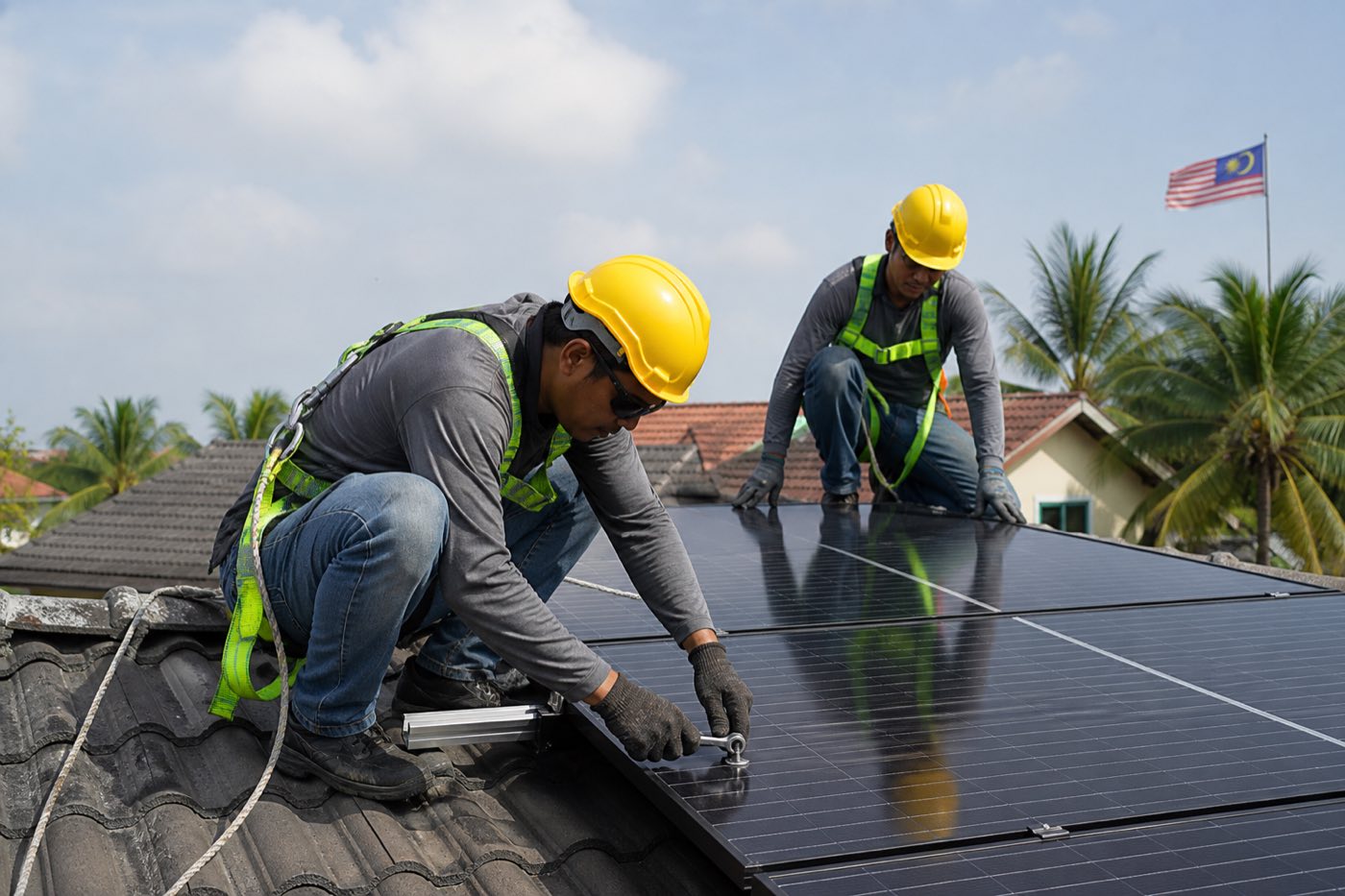
Each Solis solar-only package comes with the required SEDA and TNB paperwork. It also includes a properly selected string inverter, mounting equipment, cables, Tier-1 panels, and professional installation.
Solar Starter
Homes with RM 300–450 monthly bills
- Around 5 years to recover the cost
- Tier-1 solar panels
- Solis S6-GR1P5K-S string inverter
- Solar ATAP or NEM application support
- 25-year panel warranty
Solar Plus
Homes with RM 450–650 monthly bills
- Around 4.4 years to recover the cost
- Tier-1 solar panels
- Solis S5-GR3P8K string inverter
- Solar ATAP or NEM application support
- 25-year panel warranty
Solar Pro
Homes with RM 650+ monthly bills
- Around 4.1 years to recover the cost
- Tier-1 solar panels
- Solis S5-GR3P10K string inverter
- Solar ATAP or NEM application support
- 25-year panel warranty
Go solar with zero upfront
Choose a monthly payment plan instead of paying the full amount at once. In many cases, the instalment may be lower than your current TNB bill.
Zero-upfront options
RM 0Green financing and rental-style programmes may let you keep your savings while avoiding a large initial payment.
0% instalment plans
up to 72 moEligible customers can use approved credit-card instalment programmes with a 0% rate. Final approval depends on the bank and payment provider.
Business tax incentives
GITA 100%Eligible commercial buyers may claim the 100% Green Investment Tax Allowance, or GITA, to reduce the effective cost of their solar investment.
Verified bill reductions
See how electricity bills changed for our customers in different parts of Malaysia.
“My bill dropped by 86% after the system was installed. Every step was explained clearly, and the team took care of the whole process.”
“The actual savings were close to the original estimate. The installation was also completed sooner than I expected.”
“I have not received an electricity charge since the installation. Solar has been one of the best purchases I have made for my house.”
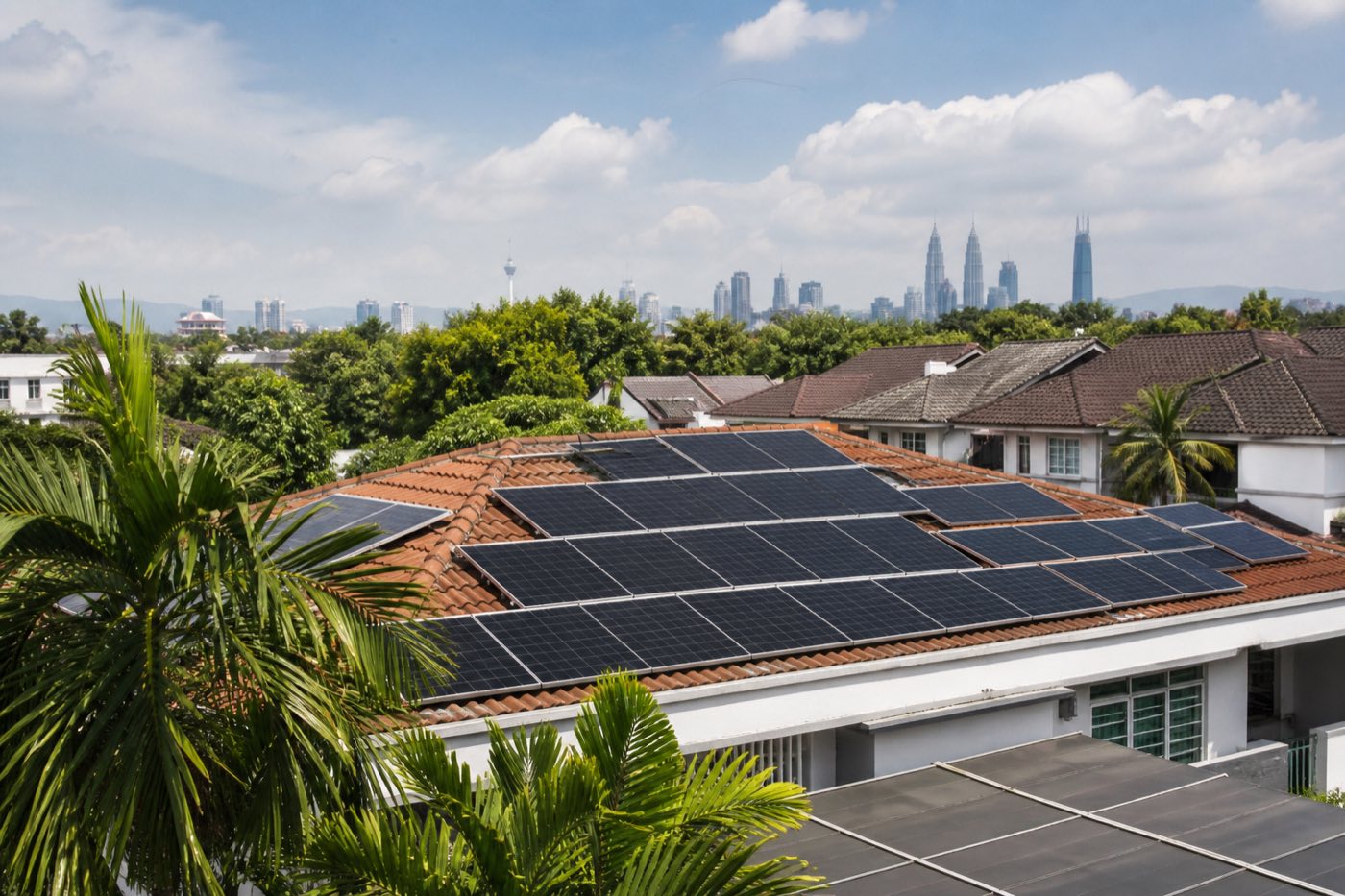
From terrace homes to factory rooftops

Common questions
Everything Malaysian homeowners ask before going solar.
Why Should You Choose Us?
We provide a digital way for Malaysian homeowners and businesses to buy solar. Package information and prices are shown clearly online. Prices begin at RM14,999. Customers can also receive Solar ATAP application support, financing choices, and long-term panel warranty coverage.
How Many Days Does the Physical Installation Require?
Most residential systems can be fitted within one to three days. This work begins after the property is ready and the necessary approvals have been received.
Is Residential Solar a Good Investment in Malaysia?
Malaysia usually receives about four to five peak-sun hours each day throughout the year. Depending on their electricity use and system size, many homeowners may reduce their bills by 70% to 90%. The estimated cost-recovery period is commonly between five and seven years.
How Long Does the Complete Solar Process Take?
The rooftop work normally takes one or two days after approval. However, the full journey usually requires four to eight weeks. This period includes the quotation, site preparation, Solar ATAP submission, TNB approval, installation, testing, and meter replacement.
Which Solar-Panel Brand Do We Currently Install?
Our current residential setup uses Jinko 620 W N-Type Tier-1 panels. These panels include a 30-year performance warranty. If an equivalent product needs to be used instead, we will provide the proposed change in writing before installation.
Jimat bil elektrik anda sehingga 90%
Panel solar untuk rumah kediaman di Malaysia. Dari RM14,999, dengan pemasangan 1–2 hari dan waranti panel 25 tahun.
Kira Penjimatan Saya →Get your solar savings estimate in 60 seconds
Enter your monthly TNB bill for a clear system recommendation and estimated price. Save up to 90% on your TNB bill.